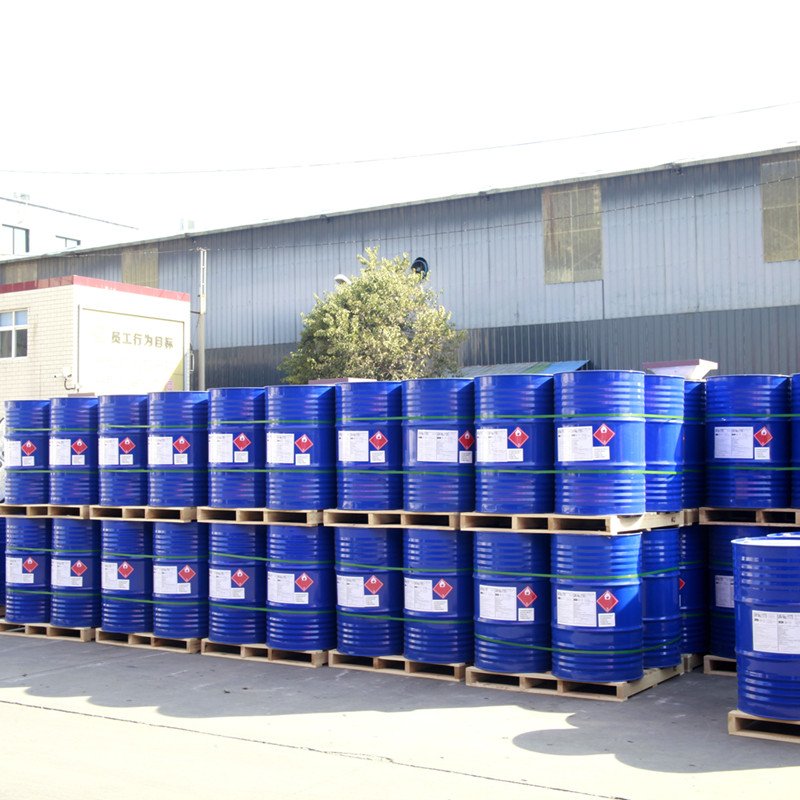
Ethyl acetate is one of the most widely used solvents in industries such as paints, coatings, inks, adhesives, and pharmaceuticals.
However, not all ethyl acetate is the same.
Different industries require different purity levels, specifications, and regulatory compliance, which leads to different grades of ethyl acetate in the market.
Choosing the correct grade is essential for product performance, safety, and compliance.
What Are Ethyl Acetate Grades?
Ethyl acetate is typically classified based on:
- Purity level
- Impurity control (water, alcohols, acidity)
- Regulatory standards
- End-use applications
The three most common grades are:
- Industrial Grade
- Food Grade
- Pharmaceutical Grade
Industrial Grade Ethyl Acetate
Industrial grade is the most commonly used type in bulk chemical applications.
Typical characteristics:
- Purity: around 99% or above
- Controlled moisture and acidity
- Cost-efficient for industrial use
Main applications:
- Paints and coatings
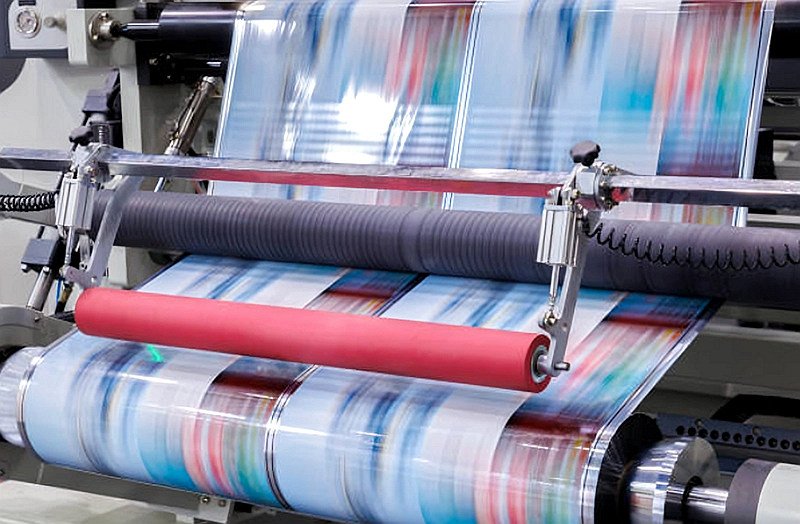
- Printing inks
- Adhesives and sealants
- Industrial cleaning
- Chemical synthesis
Industrial grade is the most suitable option for large-scale manufacturing where cost and performance balance is important.
Food Grade Ethyl Acetate
Food grade ethyl acetate meets stricter regulatory requirements and is used in food-related processes.
Key characteristics:
- Complies with food safety standards (such as FCC)
- Very low impurities
- Suitable for food contact applications
Main applications:
- Flavor extraction
- Food processing
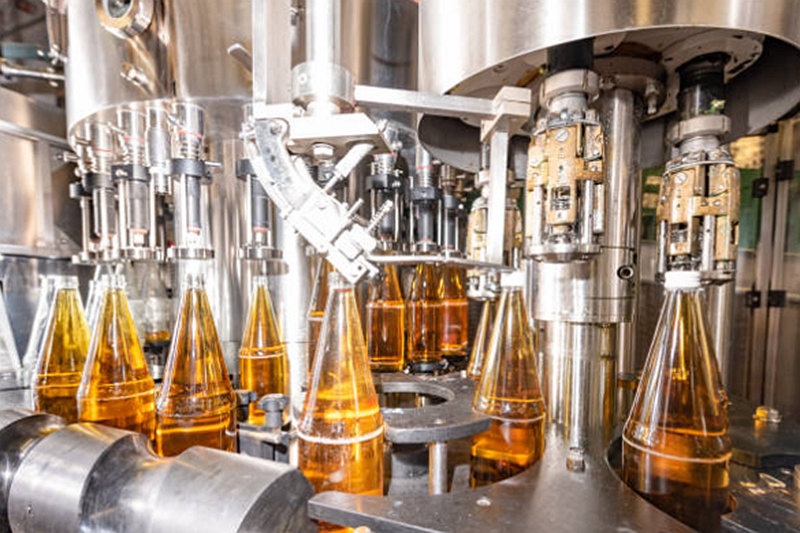
- Beverage industry applications
- Natural product extraction
Pharmaceutical Grade Ethyl Acetate
Pharmaceutical grade has the highest purity and strictest quality control.
Key characteristics:
- High purity (typically 99.5% or higher)
- Meets pharmacopeia standards (USP/EP depending on market)
- Strict impurity limits
Main applications:
- API manufacturing
- Pharmaceutical intermediates
- Laboratory and research use
- High-end extraction processes

Industrial Grade vs Food Grade Ethyl Acetate
| Property | Industrial Grade | Food Grade |
|---|---|---|
| Purity | ~99% | Higher, regulated |
| Standards | Industrial specs | FCC / food safety |
| Cost | Lower | Higher |
| Applications | Paints, inks, adhesives | FCC/food safety |
How to Choose the Right Ethyl Acetate Grade
The right grade depends on your industry application:
| Industry | Recommended Grade |
|---|---|
| Paints | Industrial Grade |
| Coatings | Industrial Grade |
| Printing Inks | Industrial Grade |
| Adhesives | Industrial Grade |
| Cleaning Chemicals | Industrial Grade |
| Food Processing | Food Grade |
| Pharmaceuticals | Pharmaceutical Grade |
Common Mistake When Choosing Ethyl Acetate
Many buyers make the mistake of choosing based only on price.
However, using the wrong grade may lead to:
- Product quality instability
- Regulatory issues
- Production inefficiency
- Batch failure in sensitive applications
Conclusion
Understanding ethyl acetate grades is essential for selecting the right solvent for your production needs.
If you are looking for reliable industrial-grade ethyl acetate for paints, coatings, inks, or adhesives, selecting a stable and consistent supplier is as important as choosing the correct grade.
For bulk supply, specifications, COA, and international shipping support, you can contact Linp Chemical for a detailed quotation and technical documentation.