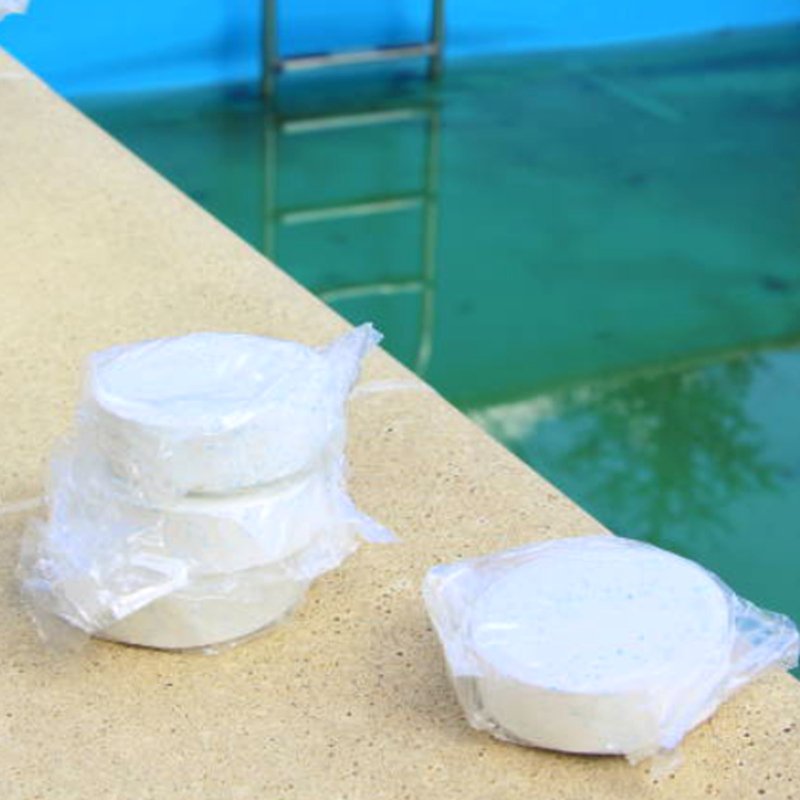
TCCA stands for Trichloroisocyanuric Acid, a powerful and widely used chemical compound, primarily utilized for its disinfectant and bleaching properties. It is a type of chlorine compound that is used in various applications such as water treatment, swimming pool disinfection, and surface sanitization.
Chemical Properties of TCCA:
- Chemical Formula: C₃Cl₃N₃O₃
- Molecular Structure: TCCA consists of a triazine ring (a six-membered ring containing three nitrogen atoms) with three chlorine atoms attached to it.
- Appearance: It is typically found as a white crystalline powder, granular, or tablet form, with a strong chlorine-like odor.
Key Features of TCCA:
- High Chlorine Content: TCCA contains around 90% available chlorine, which makes it highly effective as a disinfectant.
- Stability: It is relatively stable, especially in acidic and neutral conditions, and has a slow, controlled chlorine release. This makes it useful for long-term disinfection.
- Solubility: TCCA is water-soluble, and once dissolved, it releases hypochlorous acid (the disinfecting agent) into the solution.
Common Applications:
- Water Treatment:
- Swimming Pools: TCCA is widely used in swimming pools to disinfect and maintain water quality by killing bacteria, viruses, and algae.
- Drinking Water: It is also used in potable water treatment to ensure microbiological safety.
- Surface Disinfection:
- TCCA is used to sanitize surfaces in hospitals, laboratories, and food-processing facilities due to its strong bactericidal and virucidal properties.
- Agriculture:
- It can be used to treat water in aquaculture (fish farming) and even for disinfecting tools or equipment in agricultural operations.
- Bleaching:
- In some industrial applications, TCCA is used as a bleaching agent, such as in the textile and paper industries.
- Algae Control:
- TCCA is effective in controlling algae in water bodies, including pools and ponds, because it prevents algal growth through chlorine release.
Advantages:
- Strong Disinfection: TCCA is very effective at killing harmful microorganisms, including bacteria, fungi, and viruses.
- Long-lasting: Due to its slow release of chlorine, it provides prolonged disinfectant action, making it suitable for long-term water treatment.
- Versatility: It is used in a variety of sectors, from domestic pool care to industrial applications.
Precautions:
- Handling: It should be handled carefully, as it can be harmful if inhaled or ingested, and can irritate the skin or eyes.
- Storage: TCCA should be stored in a cool, dry place, away from direct sunlight and incompatible materials (e.g., acids and reducing agents), as it can release toxic gases in inappropriate conditions.
- Corrosive Nature: As a chlorine compound, TCCA can be corrosive, so it is important to use it in the proper concentrations and to follow safety guidelines.
Summary:
TCCA (Trichloroisocyanuric Acid) is a highly effective chlorine-based disinfectant, widely used in water treatment, swimming pool maintenance, surface sanitation, and other industrial applications. Its high chlorine content, stability, and controlled release of chlorine make it a preferred choice for long-lasting disinfection in various sectors.